Binance Exchange Review 2025: Features, Safety & Trading Insights
Binance has evolved from a simple cryptocurrency trading platform into the world’s largest digital asset exchange by trading volume. For anyone searching "how is Binance exchange", the answer often highlights its deep liquidity, extensive coin listing, and innovative products. Founded in 2017 by Changpeng Zhao, the platform now supports thousands of trading pairs, from major coins like Bitcoin and Ethereum to emerging altcoins and meme tokens.
One of the standout aspects of Binance is its comprehensive suite of trading tools. Users can access spot trading, futures with up to 125x leverage, margin trading, options, and peer-to-peer (P2P) transactions. The exchange also offers staking, savings accounts, and an NFT marketplace. This diversity makes it suitable for both retail investors and professional traders who rely on advanced charting and algorithmic trading integration.
In terms of security, Binance employs a multi-tier system including cold wallets, two-factor authentication (2FA), and the Secure Asset Fund for Users (SAFU) which protects user funds in extreme cases. However, the exchange has faced regulatory challenges in multiple jurisdictions. The platform has responded by tightening KYC (Know Your Customer) requirements and establishing local regulated entities in countries like France, Dubai, and Bahrain. For users, this means a safer environment but also more verification steps.
Liquidity is another critical factor. Binance’s order books are among the deepest globally, which reduces slippage and ensures faster trade execution even during periods of high volatility. This is especially important for large volume traders. Additionally, the exchange charges some of the lowest trading fees in the industry, starting at 0.1% per trade, with further discounts for using the native BNB token.
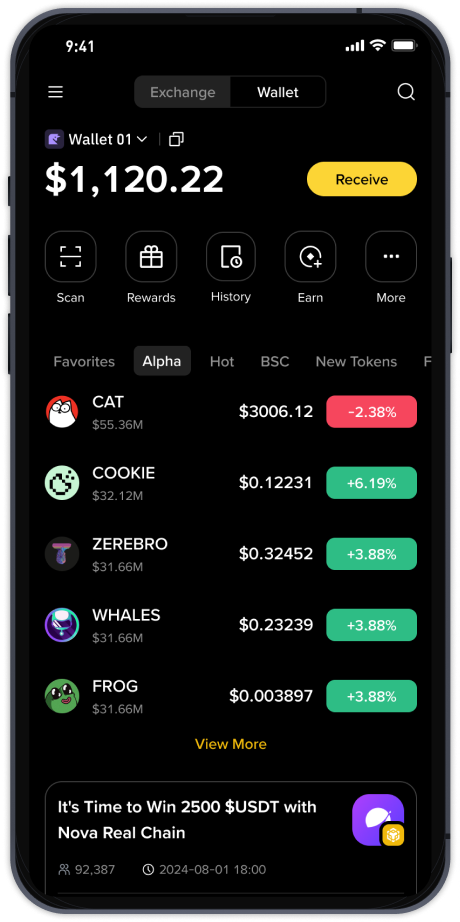
User experience on both the desktop platform and mobile app is polished, though beginners may initially feel overwhelmed by the sheer number of features. Binance Academy, the platform’s educational hub, helps mitigate this by offering free courses and articles on blockchain and trading fundamentals. Customer support has improved but remains a common pain point, with response times varying based on issue complexity.
A notable development in 2025 is Binance’s increasing focus on compliance and transparency. The exchange has voluntarily delisted certain privacy coins and introduced more robust monitoring for suspicious transactions. These steps aim to rebuild trust with regulators while maintaining a competitive edge. For traders looking for a reliable, feature-rich exchange, Binance remains a top contender, but users should always assess the regulatory landscape of their own country before signing up.