Baidu vs Binance Exchange: A Comprehensive Comparison of Features, Security, and Accessibility

When users search for "Baidu Binance exchange," they are often comparing two very different platforms: Baidu, a Chinese internet giant, and Binance, the world’s largest cryptocurrency exchange by trading volume. It is important to clarify that Baidu does not operate a cryptocurrency exchange in the same sense as Binance. However, Baidu has explored blockchain technology through projects like Baidu Blockchain and has integrated crypto-related search and advertising services. In contrast, Binance is a dedicated crypto trading platform offering spot, futures, margin trading, staking, and an ecosystem of decentralized finance (DeFi) products.
From a regulatory perspective, Binance operates globally but has faced scrutiny in multiple jurisdictions, including China, where cryptocurrency trading is heavily restricted. Baidu, being a Chinese company, complies strictly with local laws and does not offer direct crypto trading to mainland users. However, Baidu’s exploration of blockchain—such as its Baidu Xuperchain—focuses on enterprise applications like supply chain tracking and digital identity, not peer-to-peer trading. This fundamental difference means that users searching for "Baidu Binance exchange" are likely looking for a comparison between a compliant tech giant’s blockchain initiatives and a global crypto exchange.
Regarding security, Binance has implemented robust measures including the Secure Asset Fund for Users (SAFU), two-factor authentication (2FA), and withdrawal whitelist features. Despite past security incidents, Binance has compensated users and improved its infrastructure. Baidu, on the other hand, leverages its AI and cloud computing expertise to secure its blockchain services, but it does not handle user crypto assets or direct trading. For users concerned about asset safety, Binance offers a more comprehensive security framework tailored for active traders.
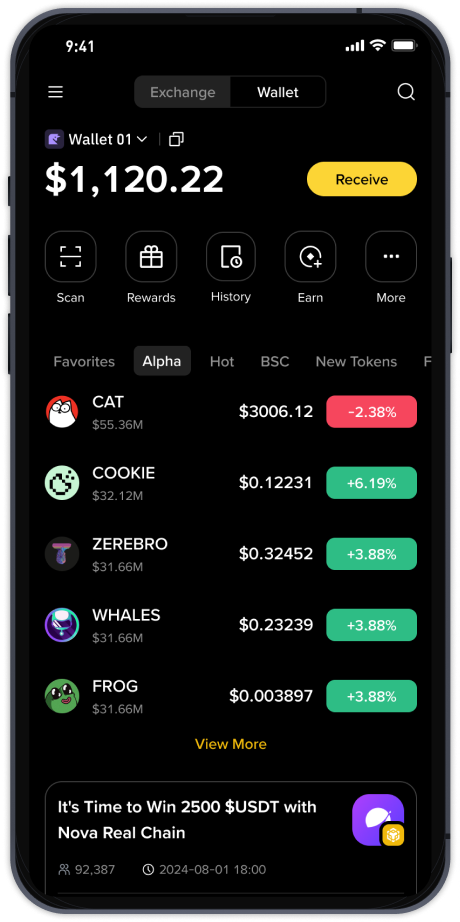
In terms of user experience, Binance provides a feature-rich interface suitable for both beginners and advanced traders, with mobile apps, charting tools, and API access for algorithmic trading. Baidu’s blockchain offerings are more developer-oriented, with tools for building decentralized applications (dApps) rather than a retail trading platform. If you are seeking a platform to buy, sell, or trade cryptocurrencies like Bitcoin (BTC) or Ethereum (ETH), Binance remains the superior choice. However, if your interest lies in enterprise blockchain solutions or educational resources, Baidu’s ventures may be more relevant.
Finally, fees and liquidity are critical factors. Binance offers some of the lowest trading fees in the industry (starting at 0.1% per trade), with further discounts for using its native BNB token. Liquidity is deep across major trading pairs, ensuring minimal slippage. Baidu does not offer direct crypto trading fees because it does not operate as an exchange. Therefore, for active crypto trading, Binance is the clear winner. In summary, when evaluating "Baidu Binance exchange," understand that you are comparing a global crypto trading powerhouse with a Chinese tech conglomerate’s blockchain experiments. For trading, Binance is the appropriate choice; for blockchain technology exploration, Baidu may offer value, but the two services are not direct competitors in the same market.