What is Yihuimao USDC? A Secure Digital Currency Guide
In the rapidly evolving world of digital finance, the term Yihuimao USDC has been generating significant interest. For those seeking stability and reliability within the volatile cryptocurrency market, understanding this pairing is crucial. At its core, USDC, or USD Coin, is a fully regulated and transparent stablecoin, where each token is backed one-to-one by US dollar reserves held in segregated accounts with reputable financial institutions. This foundational stability makes it a cornerstone for various digital asset platforms and services.
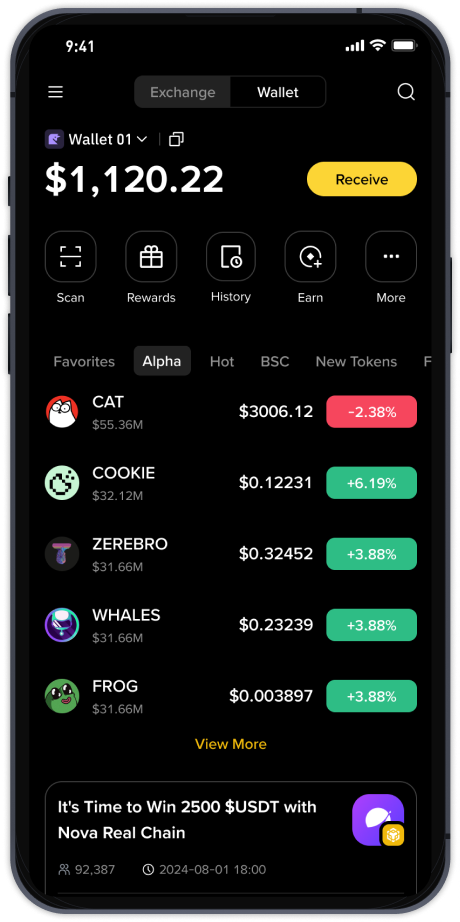
The mention of "Yihuimao" likely refers to a specific digital asset service platform, exchange, or wallet that integrates or offers services centered around USDC. Platforms like these are essential gateways, allowing users to buy, store, trade, and utilize stablecoins like USDC for a multitude of purposes. These can range from simple peer-to-peer transfers and remittances to more complex functions like earning yield through staking, providing liquidity in decentralized finance (DeFi) protocols, or serving as a safe haven during market turbulence.
Why is the combination of a platform like Yihuimao and USDC so powerful? The answer lies in synergy. USDC provides the trusted, liquid, and stable asset, while a well-designed platform provides the user-friendly interface, security features, and additional financial tools. This allows individuals and businesses to transact globally with the speed and efficiency of blockchain technology, but without the typical price volatility associated with cryptocurrencies like Bitcoin or Ethereum. It bridges the gap between traditional fiat currency and the innovative digital asset ecosystem.
For users, key considerations when engaging with Yihuimao USDC services should always include security, transparency, and regulatory compliance. Reputable platforms will emphasize robust security measures such as cold storage for funds, two-factor authentication, and clear communication about their custodial practices. Furthermore, the inherent transparency of USDC, with its regular attestations by independent accounting firms, provides an additional layer of trust that the digital tokens in circulation are fully backed by real assets.
Ultimately, the discussion around Yihuimao USDC highlights a major trend in finance: the mainstream adoption of stable digital currencies. Whether for cross-border payments, decentralized application interaction, or simply as a digital dollar, the infrastructure built around stablecoins like USDC is making financial operations more accessible and efficient. As the landscape matures, the focus for services will remain on providing secure, compliant, and user-centric experiences that leverage the stability and transparency of assets like USD Coin to empower users worldwide.